We are deeply grateful for your visit to the website of Soto Zen Kakuosan Youmeiji Temple.
Our temple is located in Tsuwano, known as the 'Little Kyoto of San-in,' on the border between Shimane and Yamaguchi prefectures. Called an ancient training ground of the San-in region since the Muromachi period, it was historically a place where many monks practiced. The temple is also famous as the resting place of Mori Ogai, a renowned literary figure from Tsuwano.
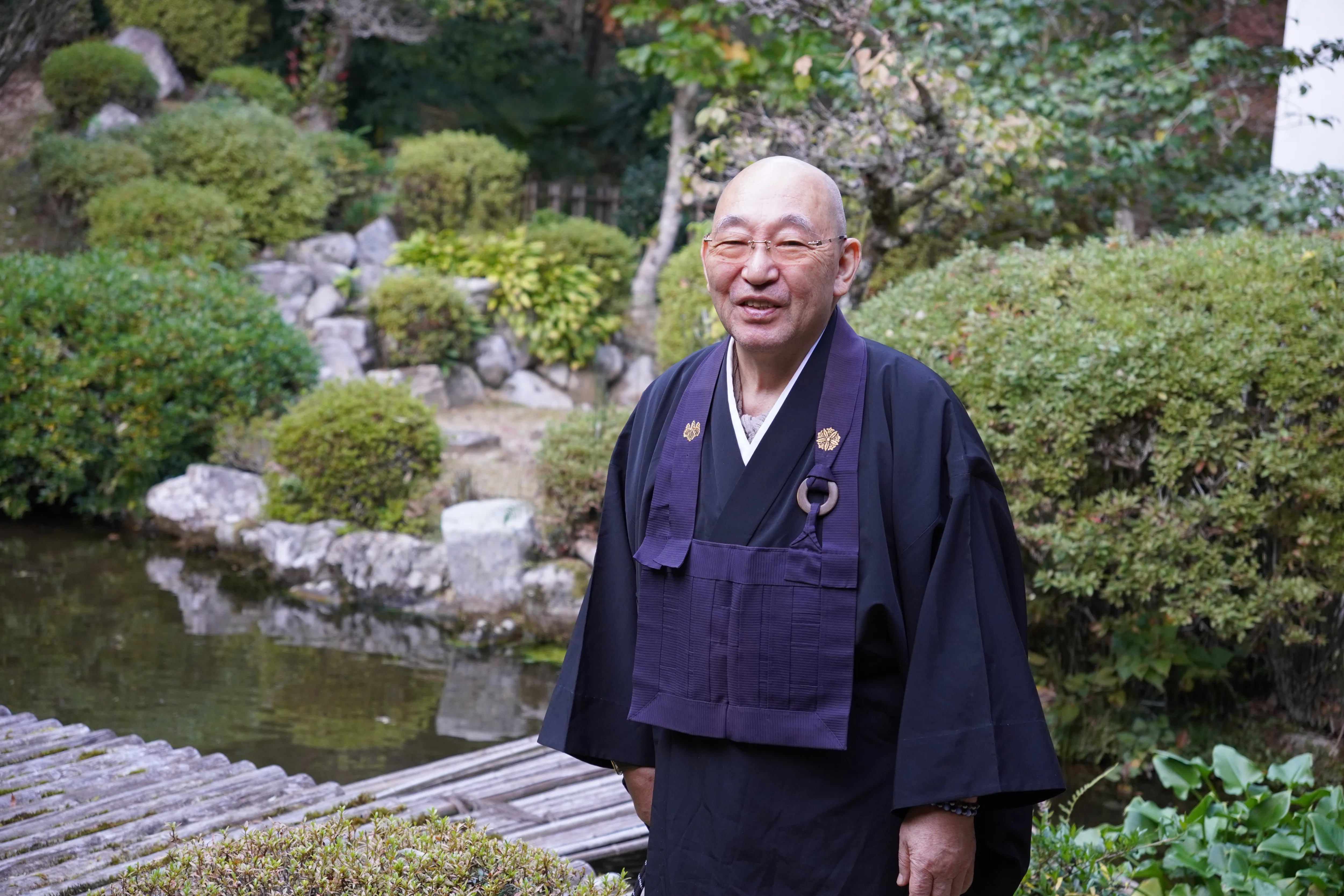
I, Taidou Hagino, was appointed as the chief priest of Youmeiji Temple in September 2023. Like the previous head priests, I wish to root myself in the local community and dedicate myself daily so that many people will visit our temple.
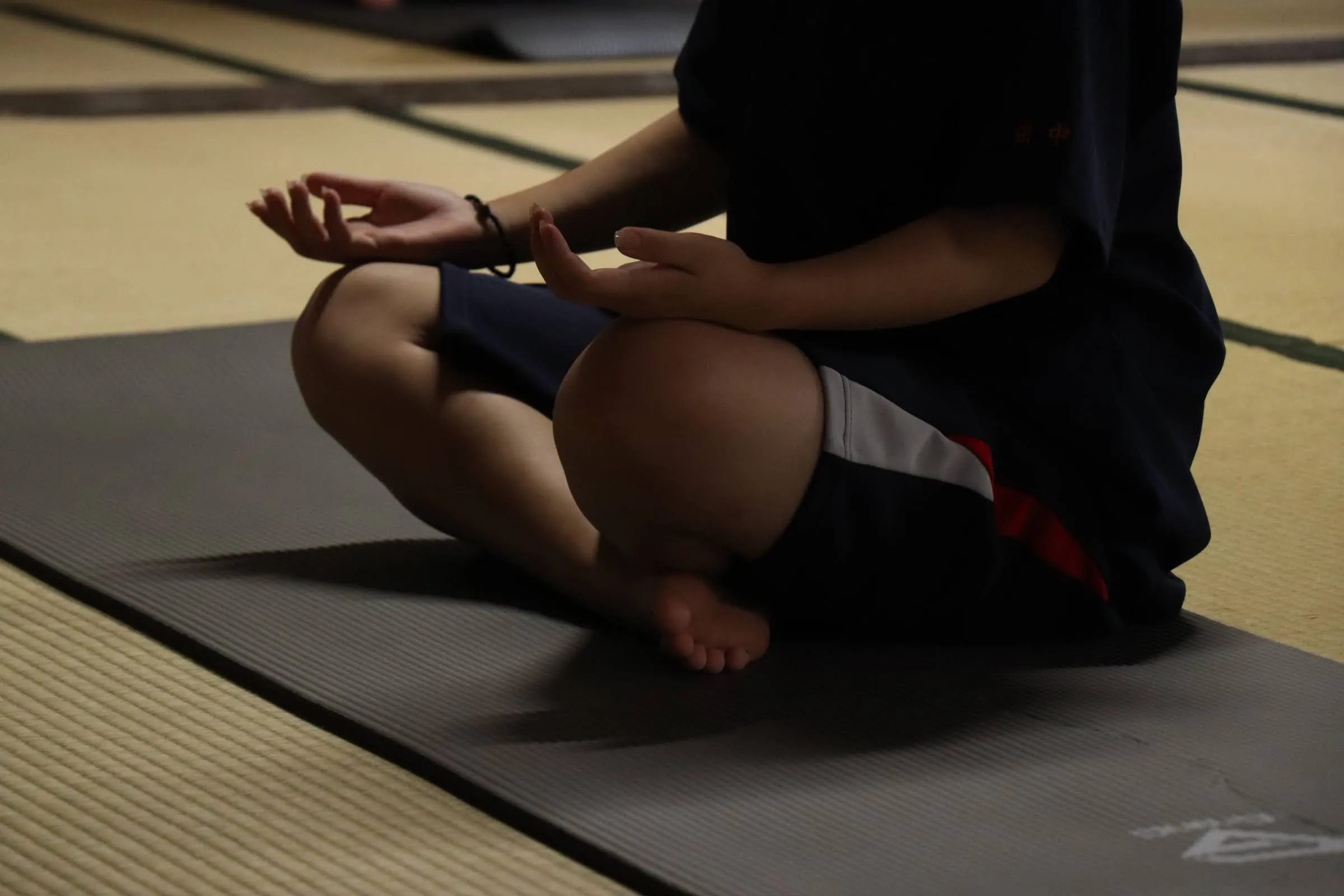
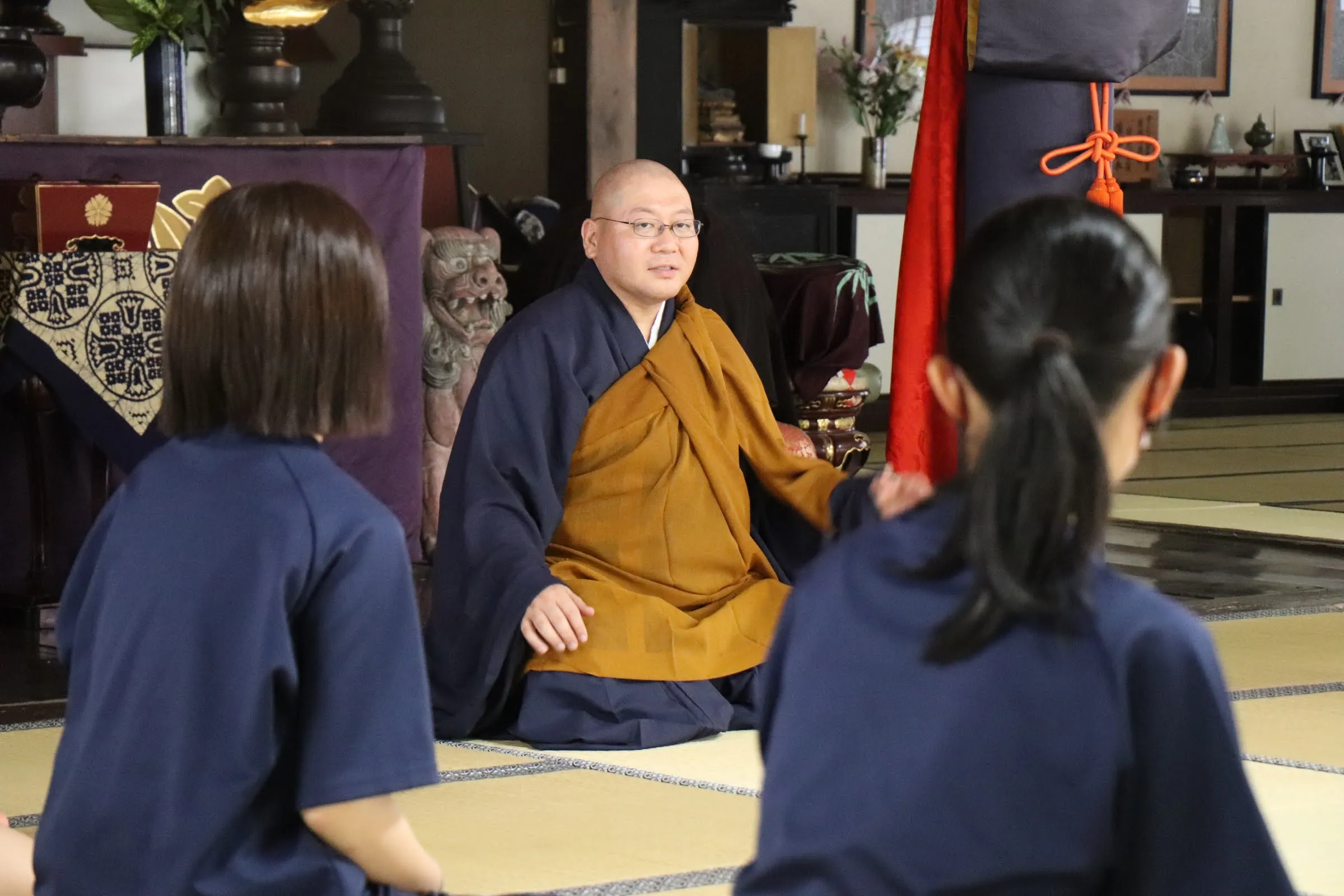
In addition to funerals and memorial services, we also hold Zazen (seated meditation) sessions and experience programs that utilize the temple, creating an environment where anyone can casually visit the temple. Just as people have a 'family doctor' when they are ill, we hope to become your 'family temple' where you can visit when you have worries or need consultation.
We welcome not only our parishioners but also schools and companies for training programs. We also offer Zazen (seated meditation) experiences for overseas visitors. We have previously provided meditation experiences at local schools and community centers.
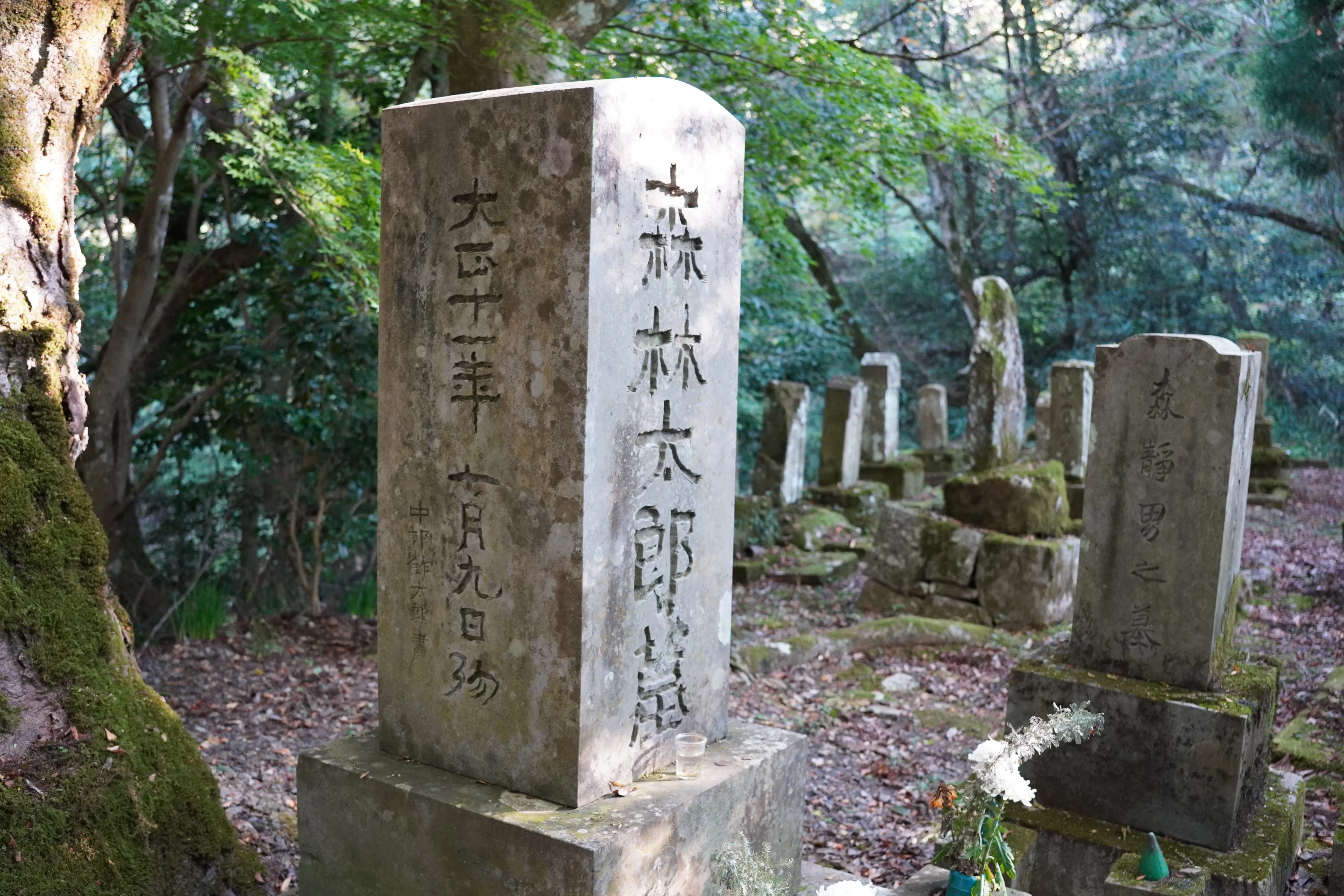
'I wish to die as Mori Rintaro, a man of Iwami Province.' - This is a passage from the will of Mori Ogai, the great literary figure of the Meiji era.
Born in Tsuwano and raised there until age 11, Mori Ogai never returned to Tsuwano until his death on July 9, 1922.
Mori Ogai was initially buried at Kofukuji Temple in Tokyo, but when the temple was completely destroyed in the Great Kanto Earthquake, his remains were moved to Zenrinji Temple in Mitaka City. In May 1953, part of his remains were transferred from Zenrinji Temple and buried here at Youmeiji Temple.
As stated in his will, the gravestone bears only the inscription 'Grave of Mori Rintaro.' The calligraphy was written by Nakamura Fusetsu, a close friend of Mori Ogai, and is identical to the one at Zenrinji Temple in Mitaka City.
Six Centuries of Zen Tradition

Youmeiji is a Soto Zen temple founded in 1420 (Oei 27) by Yoshimi Yorihiro, the lord of Tsuwano Castle. The founding priest was Gettsuinn Seisho, a dharma grandson of Dogen Zenji, the founder of Soto Zen.
The temple flourished as the family temple of successive castle lords: the Yoshimi, Sakazaki, and Kamei families, and has now existed for 603 years. During the Edo period, it supervised Zen temples throughout Iwami Province, having over 70 affiliated temples. It was also known as an 'Ancient Training Ground of San-in' - a strict training monastery where the number of monks (Unsui) sometimes exceeded 200. The temple held 100 koku of temple land.
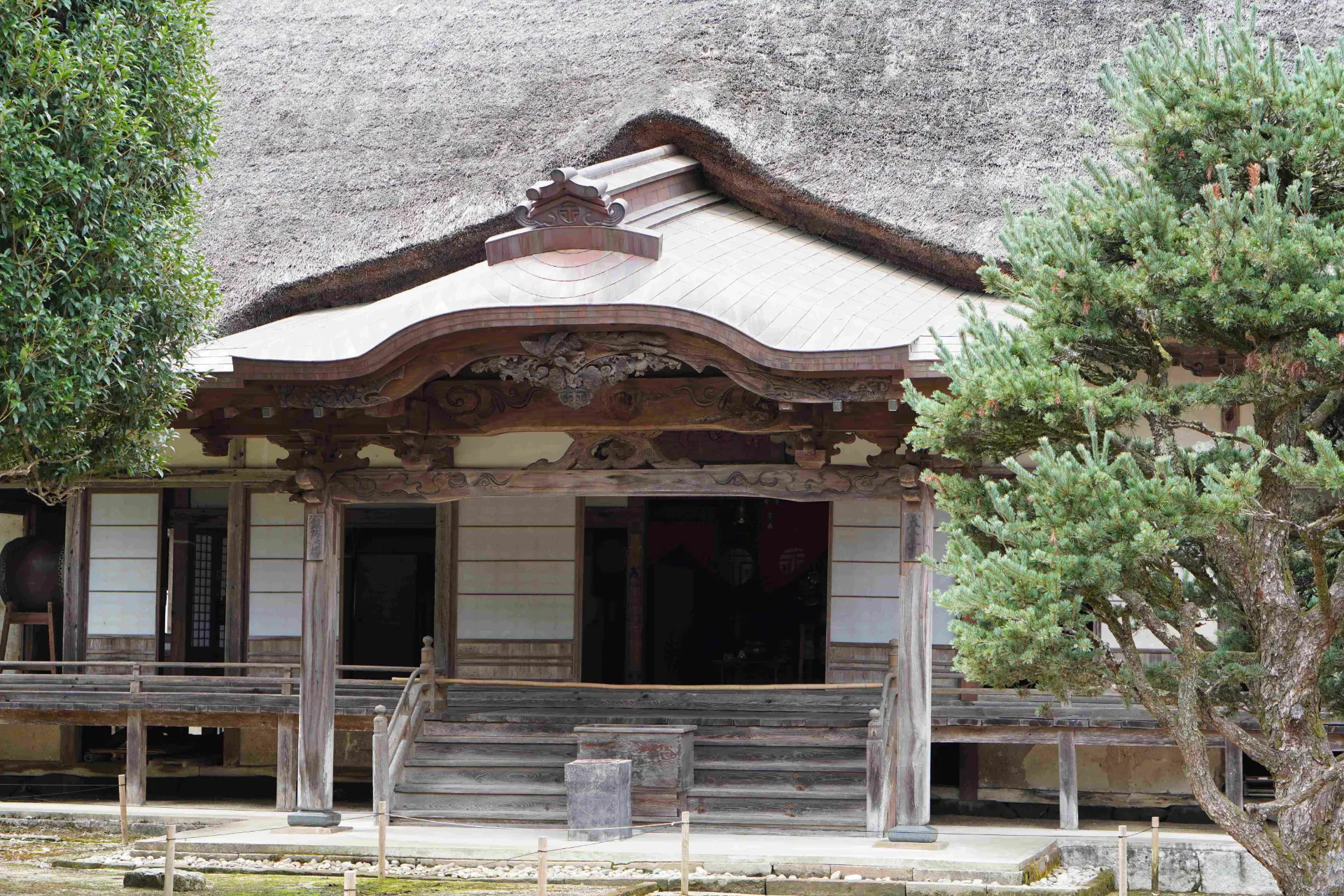
Despite suffering from numerous fires, the current buildings were constructed in 1729 (Kyoho 14). Though built as temporary structures, this grand ancient temple can accommodate 400 tatami mats.
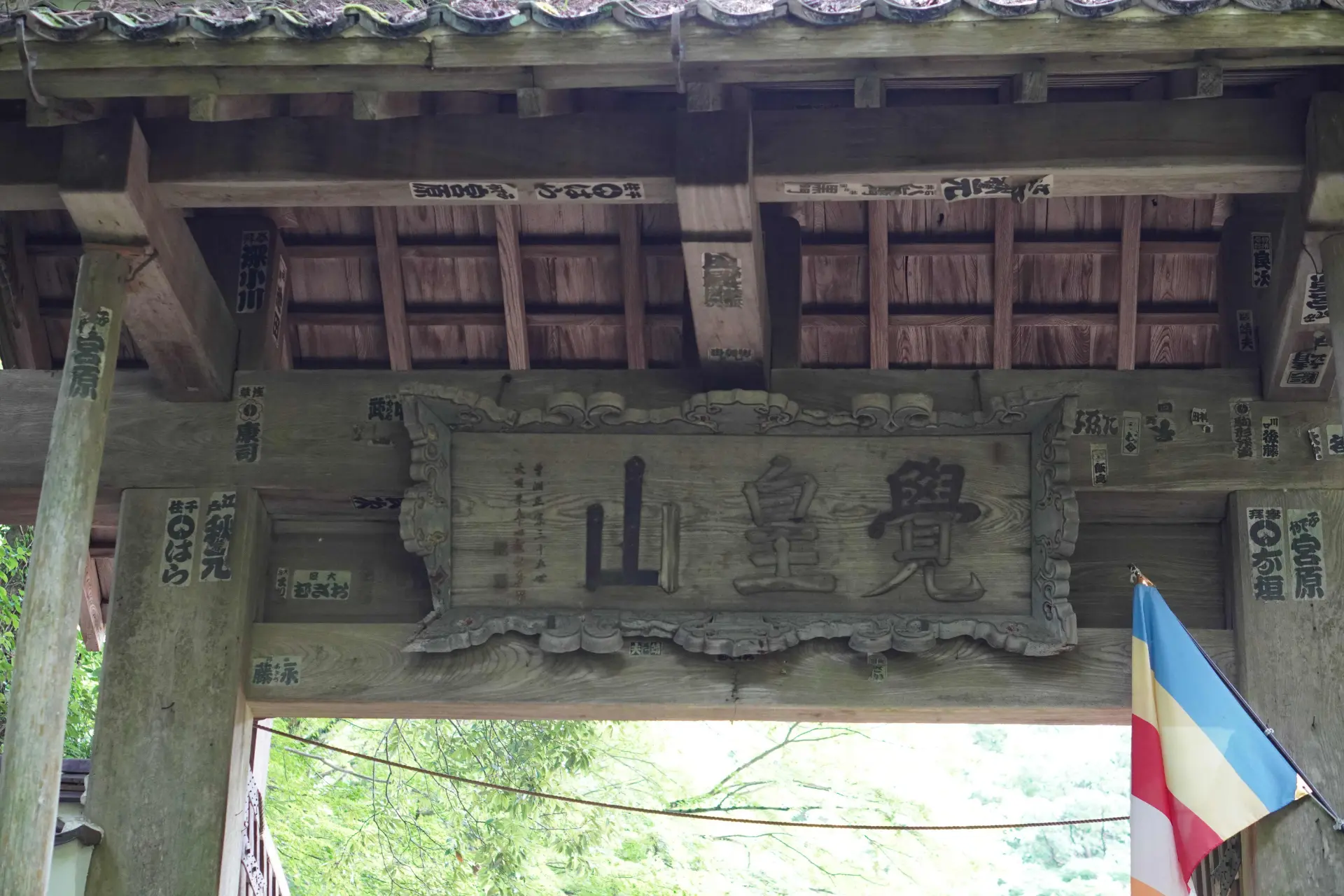
The plaque reading 'Kakuosan' hanging on the large mountain gate was written by Shinnetsu Zenji, a monk who came from Ming Dynasty China (calligraphy teacher to Mito Mitsukuni).
The rear garden is profoundly tranquil, offering exquisite views from the lord's 'Onari-no-ma' (reception room).
The entire temple grounds are designated as a National Historic Site. The main hall, study hall, bell tower, mountain gate, and kitchen are designated as Shimane Prefecture Cultural Properties. Temple treasures include the guardian deity 'Dainichi Nyorai' statue of Kamei Korenori (late Kamakura period sculpture), 'Sixteen Arhats' by Li Longmian (early Muromachi period), and 'Nehan-zu' (Nirvana painting) by Josetsushi, all designated as prefectural cultural properties.
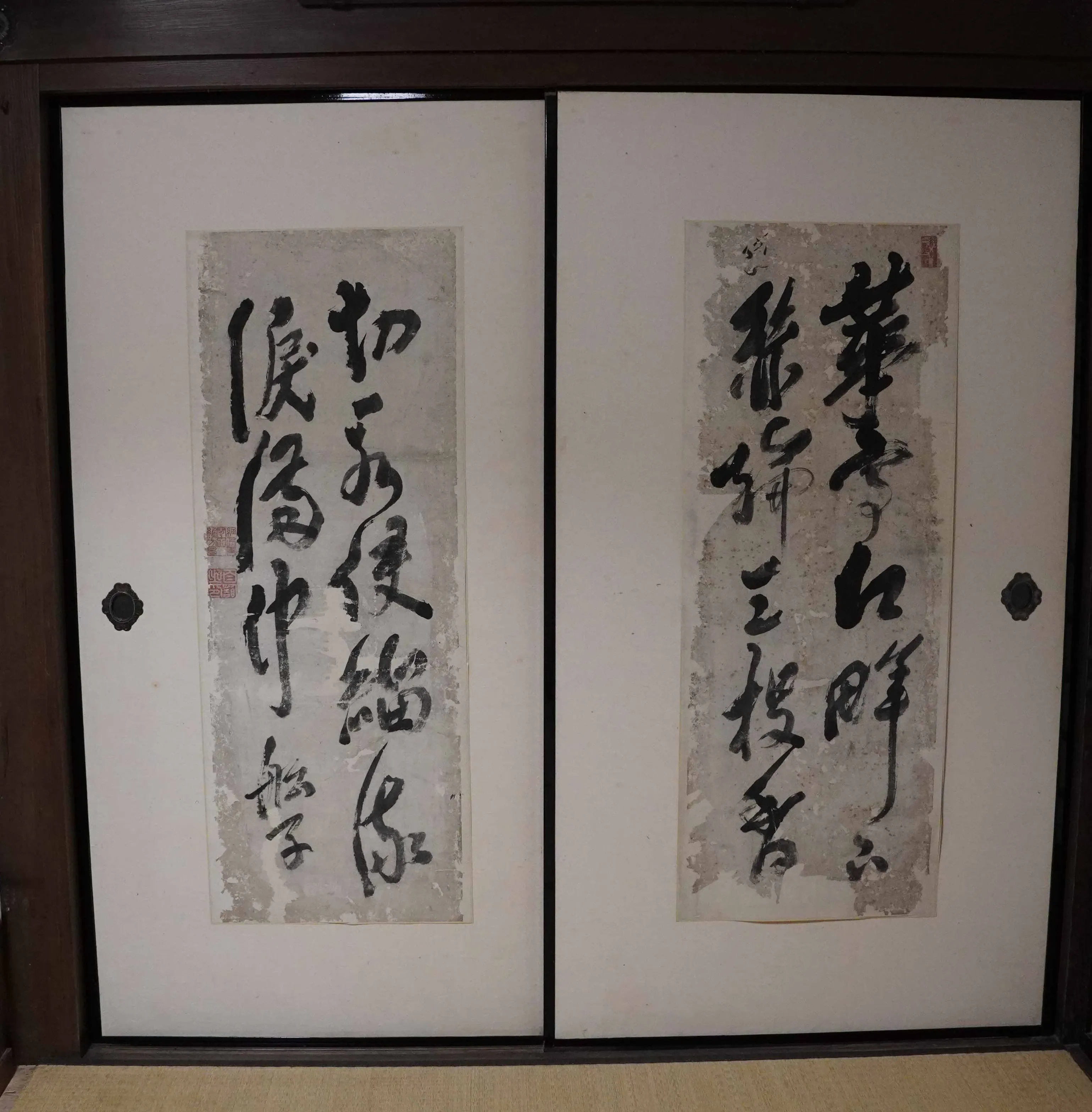
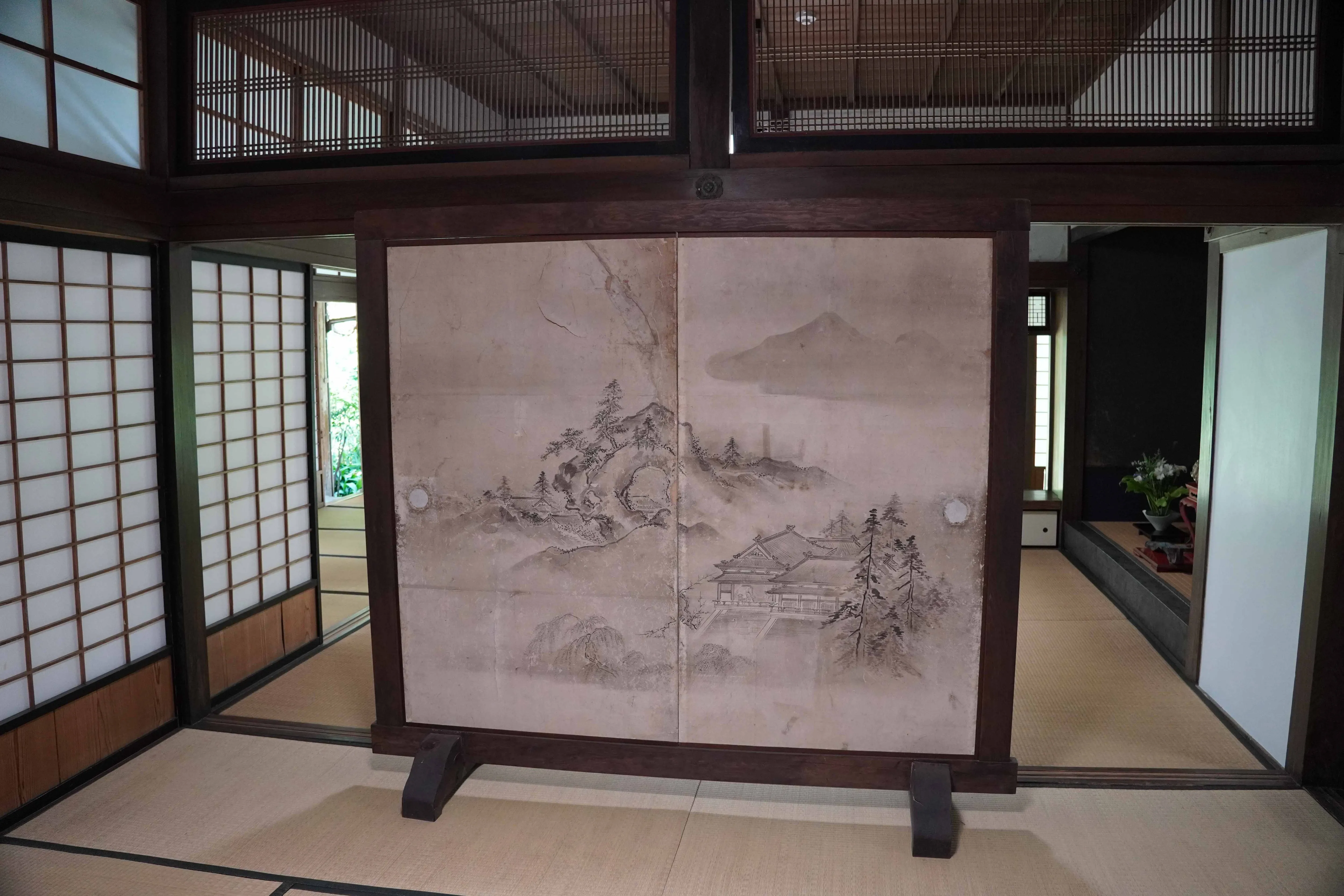
Other treasures include authentic calligraphy by Dogen Zenji, wooden statue of Korenori, Gobelin tapestry, 'Shobogenzo' (written by Sogen Tekisui), and four-season landscape fusuma paintings (by Okano Dozan).
Within the temple grounds are the graves of Mori Ogai, Sakazaki Dewanokami, Nakamura Kichizo, and others.
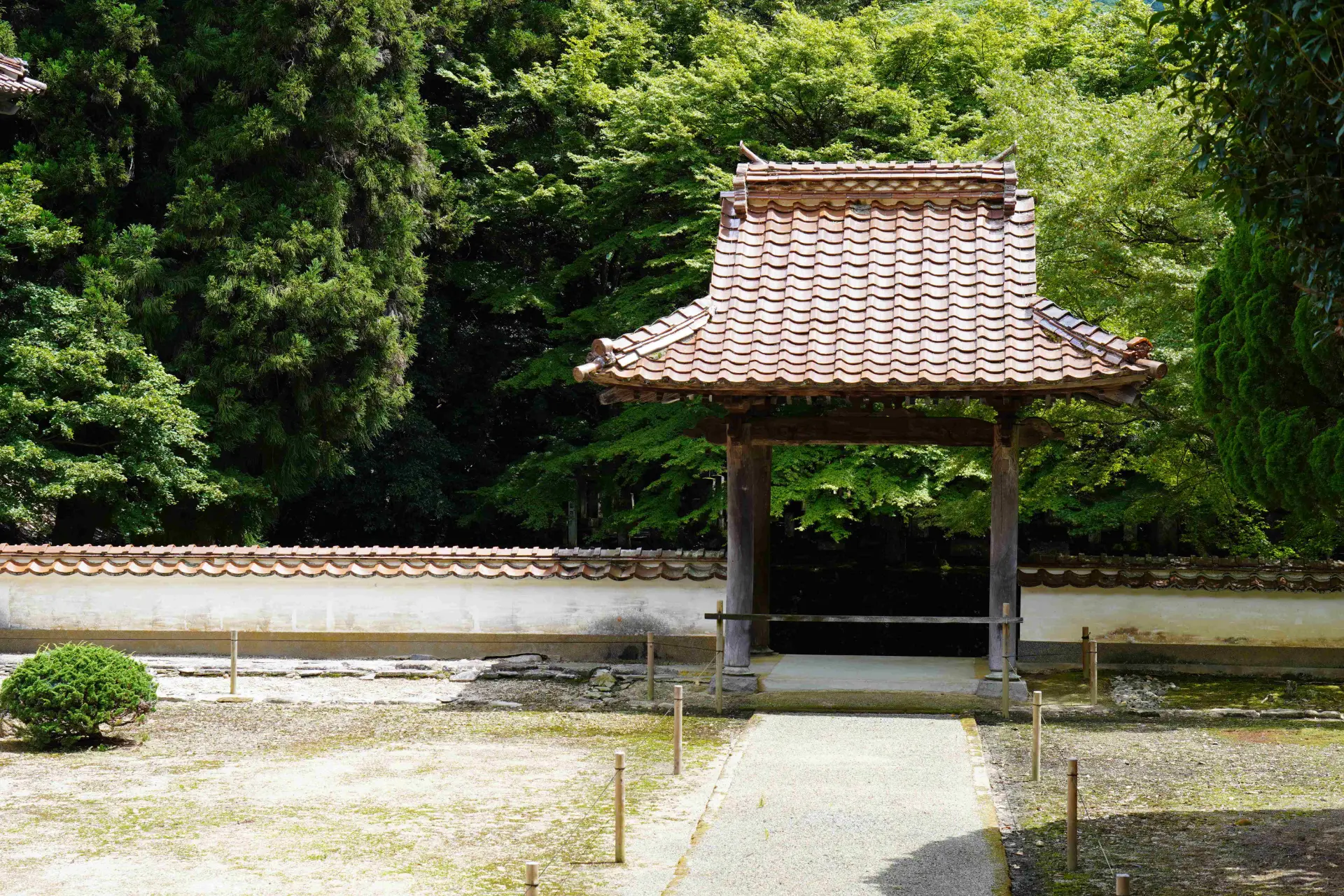
The moss-covered approach to the mountain gate is a popular spot. The temple is particularly beautiful in spring with rhododendrons and in autumn with colored leaves.
Youmeiji was historically a monastery where Zen monks underwent rigorous training.
Known as the 'San-in no Koshodojo' (Ancient Training Ground of San-in)
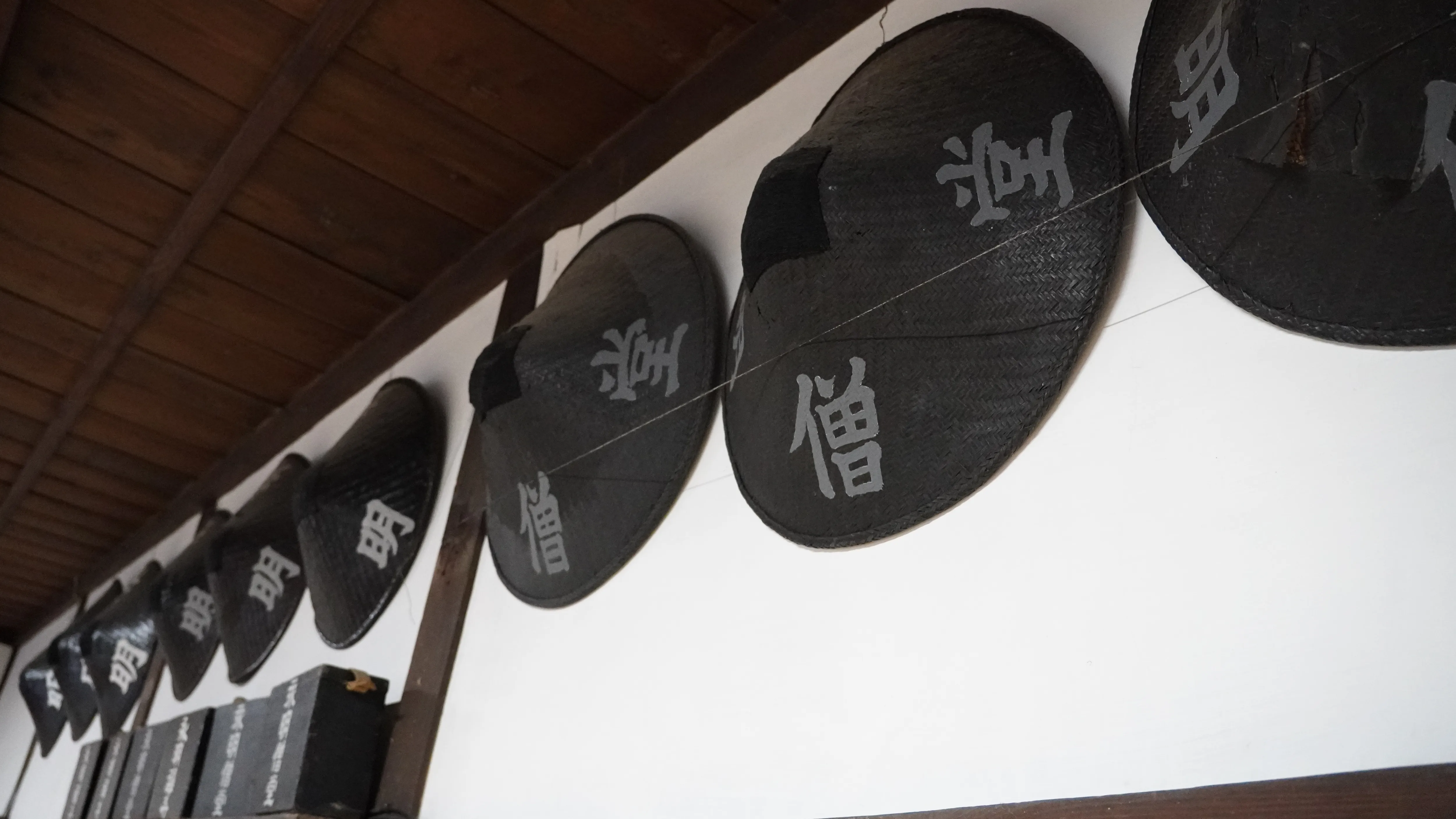
Over 200 monks once trained here during its peak
Visiting Hours, Fees & Temple Grounds
9:30 AM - 4:00 PM
Adults: ¥500, Children: ¥200
¥500
Tuesdays
Once a training monastery for monks, known as the 'Ancient Training Ground of San-in' and featured in 'Pilgrimage to 100 Temples' by Hiroyuki Itsuki. The scenery depicted in the Edo period 'Tsuwano Hyakkei-zu' (100 Views of Tsuwano) still remains today.

The garden, which the lords of Tsuwano favored, offers a sense of the four seasons through various plants and trees, making it enjoyable to visit in any season.

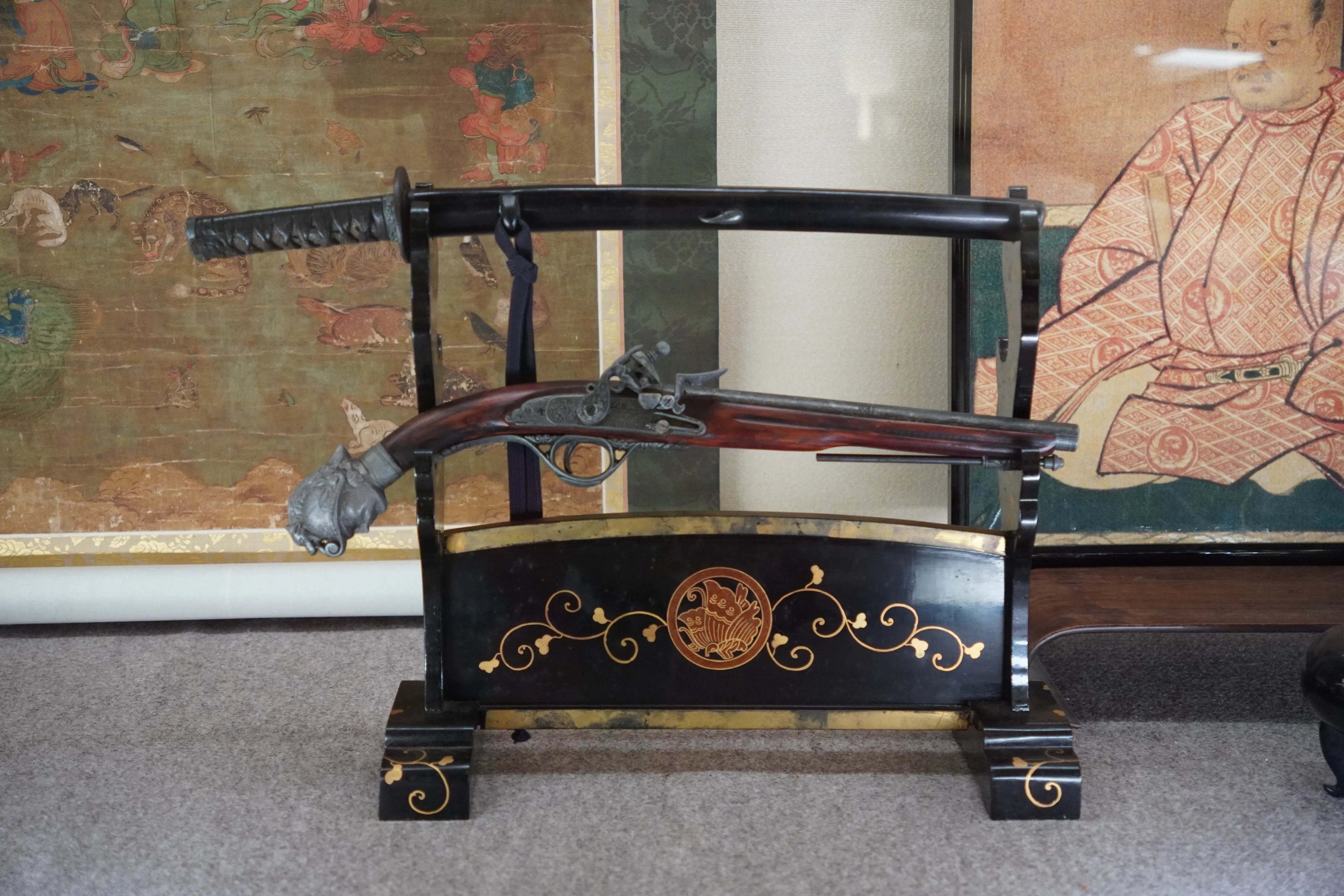
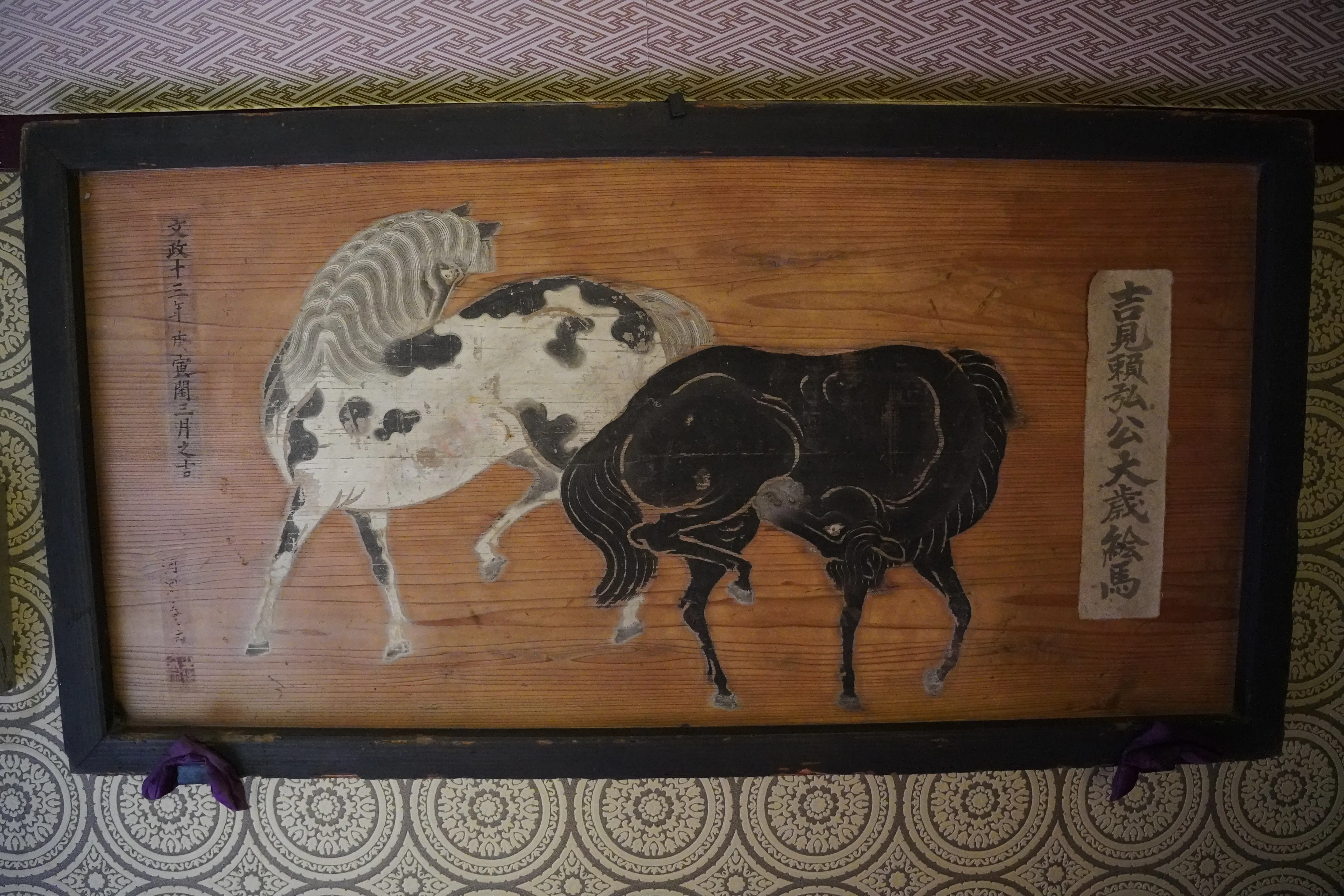
The treasure hall houses authentic calligraphy by Dogen Zenji, the kesa (Buddhist robe) of our founding priest Gettsuinn, and artifacts related to the Tsuwano domain.
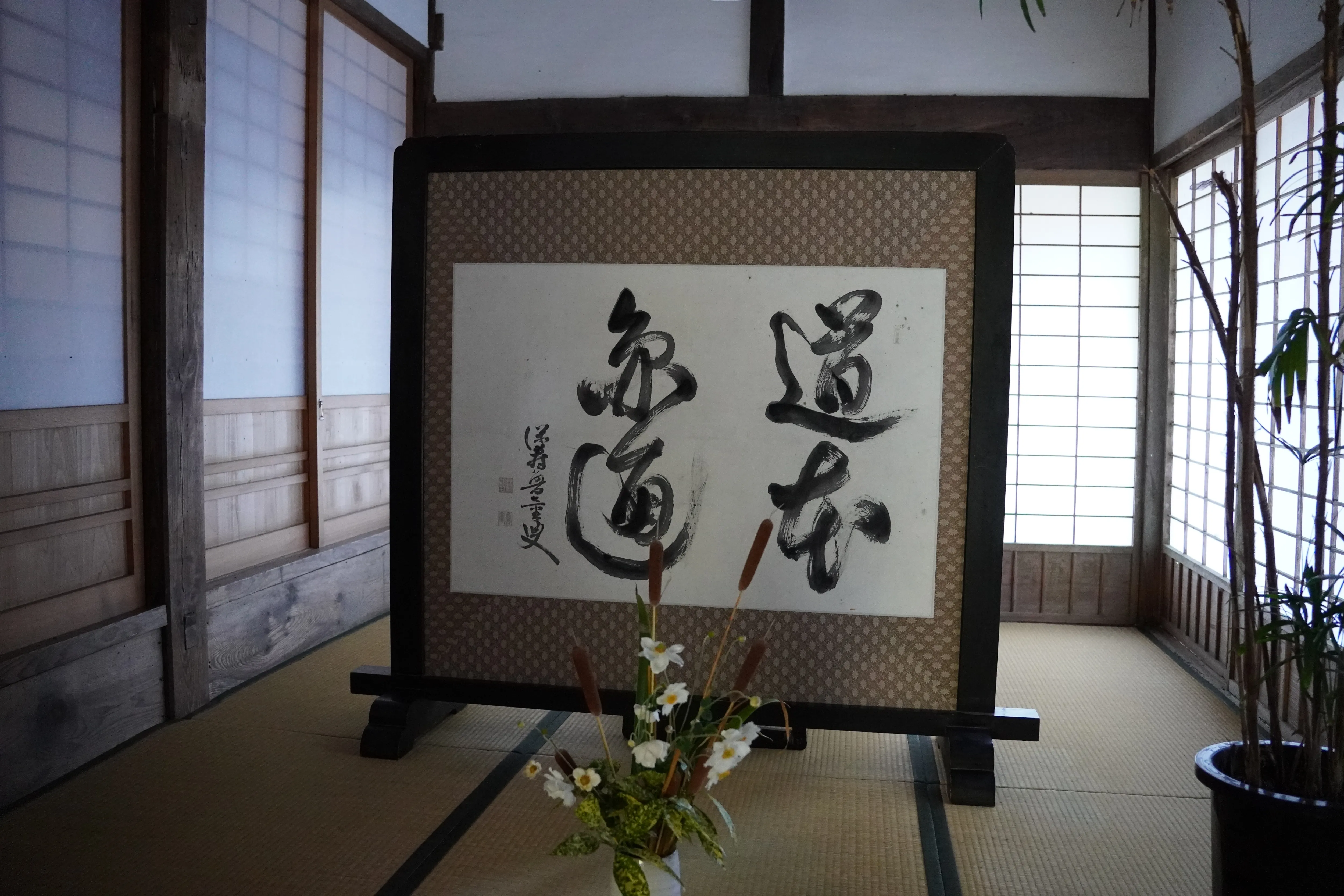
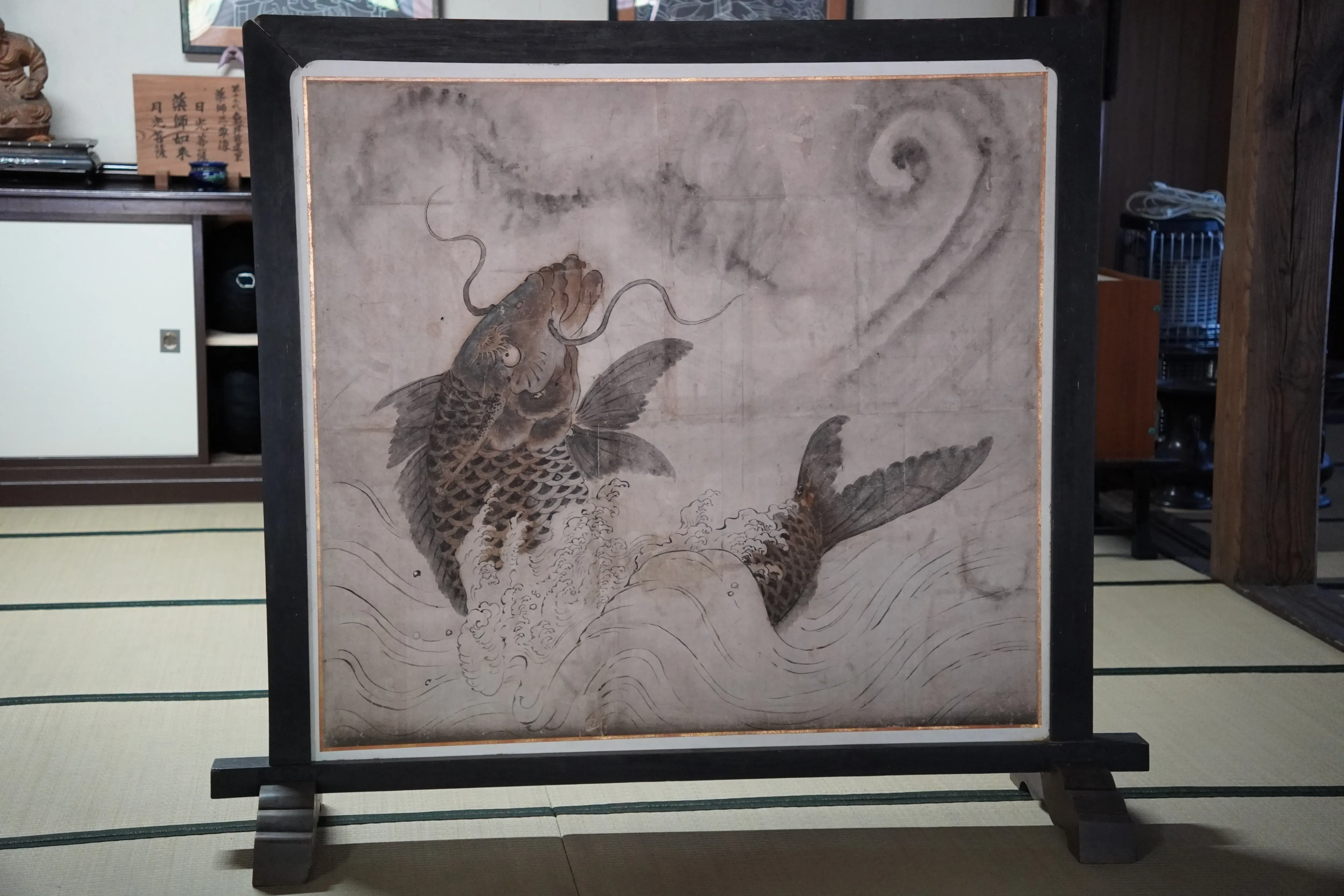
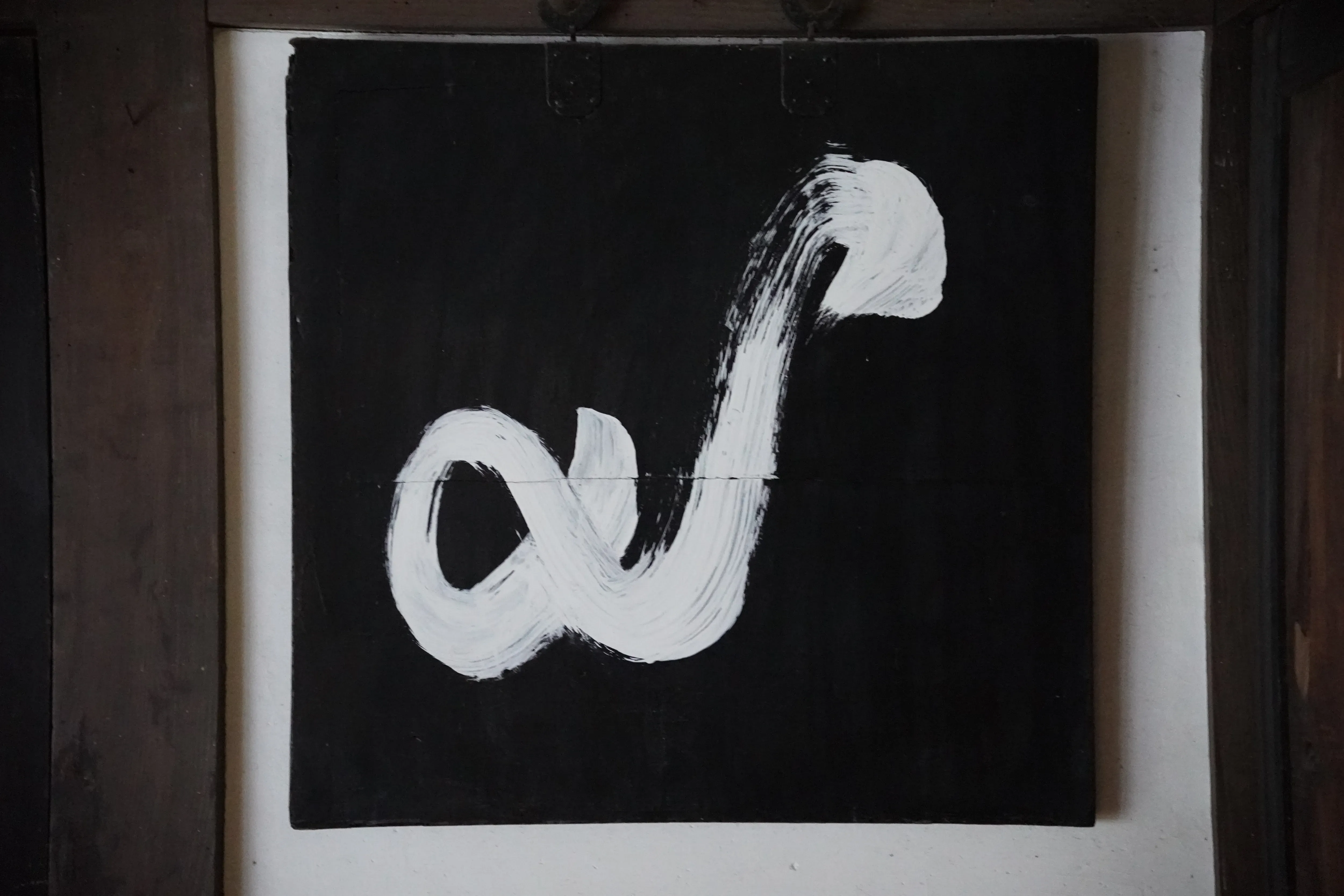
Traditional Ceremonies Throughout the Year
お寺の主な行事をご紹介します
We welcome visitors from around the world
For inquiries about Zazen (meditation) experiences, temple visits, or general questions, please feel free to contact us.
Tsuwano, Shimane Prefecture, Japan
Japanese, English (limited)